52 Blue: The story of the World's Loneliest Whale
Elijah Jimenez-Villicaña
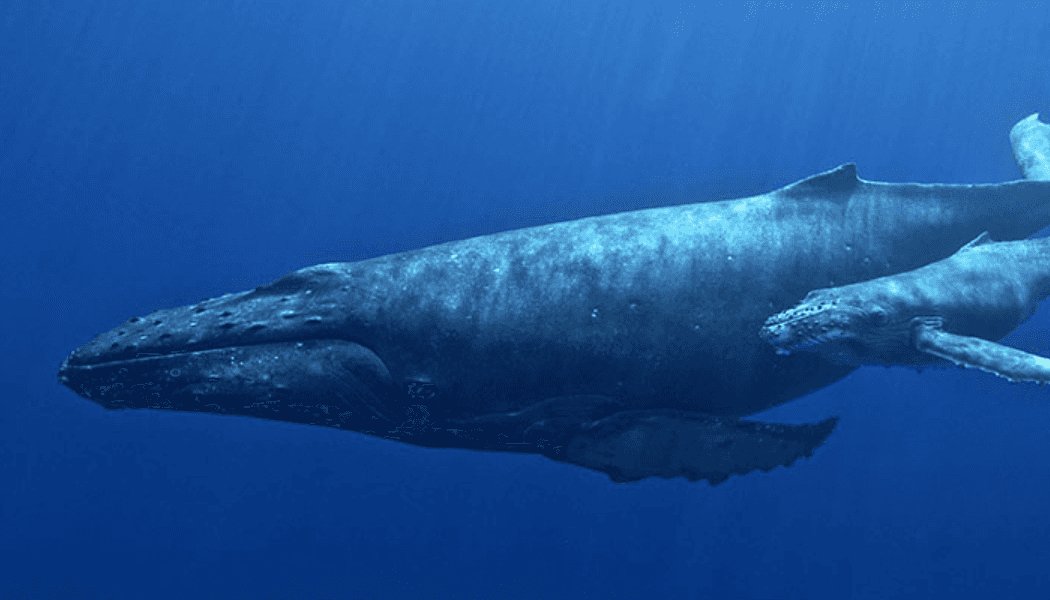
Somewhere in the Pacific, a mysterious 52-hertz call became a symbol of isolation. Scientists are not sure whether the whale was ever lonely. We certainly are.
Somewhere in the Pacific Ocean, a whale called out in a voice that did not sound like the others.
Not quite a blue whale. Not quite a fin while. The call, around 52-hertz, moved through water with just enough difference for a team of scientists at the Woods Hole Oceanographic Institution to turn it into a mystery that remains unsolved today.
The animal itself has never been seen, only heard. The low-pitched sound similar to a G#1 note on a piano was created by underwater microphones used by the Navy during the Cold War to detect enemy submarines. A system designed for military surveillance ended up helping scientists discover one of the oceans' strangest mysteries.
The 52-hertz whale, often nicknamed “52 Blue,” is commonly referred to as the world's loneliest whale. The name comes from the idea that its call is higher than the normal range for blue and fin whales, which are usually lower. Sesh examined the whale’s movement in the North Pacific, between areas near the Aleutian and Kodiak islands and the coast of California.
The theory is simple enough to spread: if the whale sings at a frequency unlike other whales, then maybe no other whale can understand it. Maybe it calls out into the ocean and receives nothing back. Maybe it has spent decades moving through the Pacific completely alone.
Researchers know the call exists. They know it has appeared over multiple years. They know it does not match usual whale calls. The whale was first detected in 1989, then again in 1990, 1991, and 1992, with later detections continuing across the years. These detections have been consistently heard every year since 2014.
Many speculate that the animal could be a hybrid between a blue whale and a fin whale. It could be a whale with an unusual voice structure. It could be part of a population that scientists and researchers still do not understand.
The “loneliest whale” label assumes that being is different means being isolated. It assumes that because the call sounds strange to researchers, it must also sound strange to whales. It turns a frequency into a personality. Over time, 52 blue has become more than an ocean mystery. It became a symbol for anyone who has felt unheard, misunderstood, or out of place. The whale has appeared in documentaries, inspired music, and has made its way into pop culture, including the Phantom 52, Colin Steton’s “Part of Me Apart From You,” and BTS’s “Whalien 52.”
The reason it is connected is obvious. The image of one animal calling out across an empty ocean feels almost designed for the internet. It is lonely in a way people can immediately understand. No explanation is really needed. A whale sings. No one answers. Everyone gets it.
Ships, sonar, drilling, military testing, and industrial activity have added more noise to the ocean. For whales, that can make communication harder. Even if 52 Blue was never truly alone, many whales now live in an ocean where being heard is not guaranteed.
Maybe the whale was calling for others. Maybe it was part of a group. Maybe it lived a normal life while people on land turned its sound into a metaphor.
The truth is that we do not know.
What we do know is that somewhere in the Pacific, a call at 52 hertz was recorded and followed for decades. It moved through the ocean without a confirmed face, body, or species. It became a mystery, then a nickname, then a symbol.
52 Blue may not be the loneliest whale in the world.
It may just be the whale that reminded humans how badly we want to be heard.